
316 / 316L Stainless Steel Industrial Pipe
Molybdenum-bearing stainless steel pipe with better resistance to pitting, crevice corrosion and chloride environments than 304.
Overview
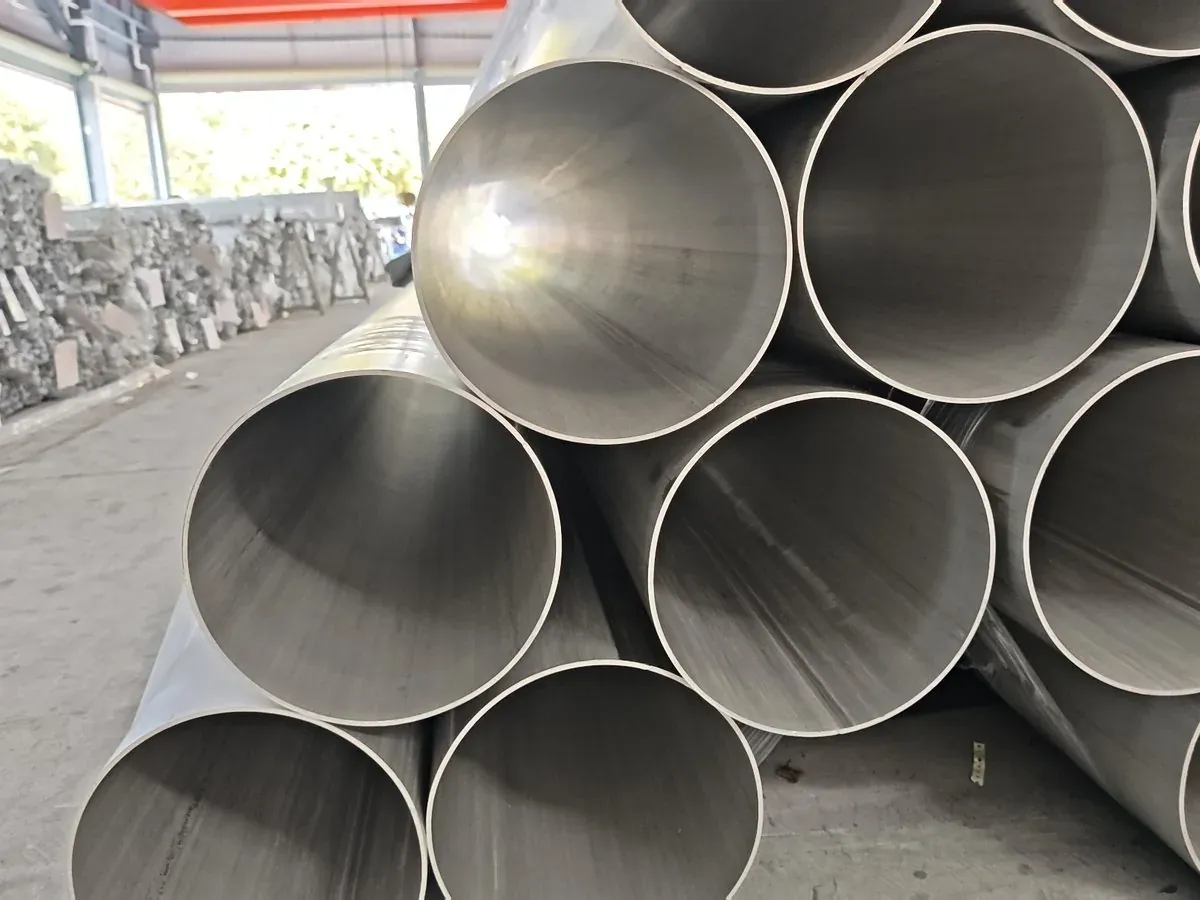
316 stainless steel pipe is a molybdenum-bearing grade chosen when 304 no longer offers enough corrosion margin. The molybdenum addition improves resistance to pitting, crevice corrosion and chloride-containing environments, which makes it the default choice where salts, acids or aggressive process media are present.
It is suitable for chemical, pharmaceutical, coastal or salt spray environments, water treatment, higher-grade food pipelines, heat exchangers, marine engineering and chloride-containing media. Where intergranular corrosion is a concern after welding, the low-carbon 316L variant is specified to keep performance stable across heat-affected zones.
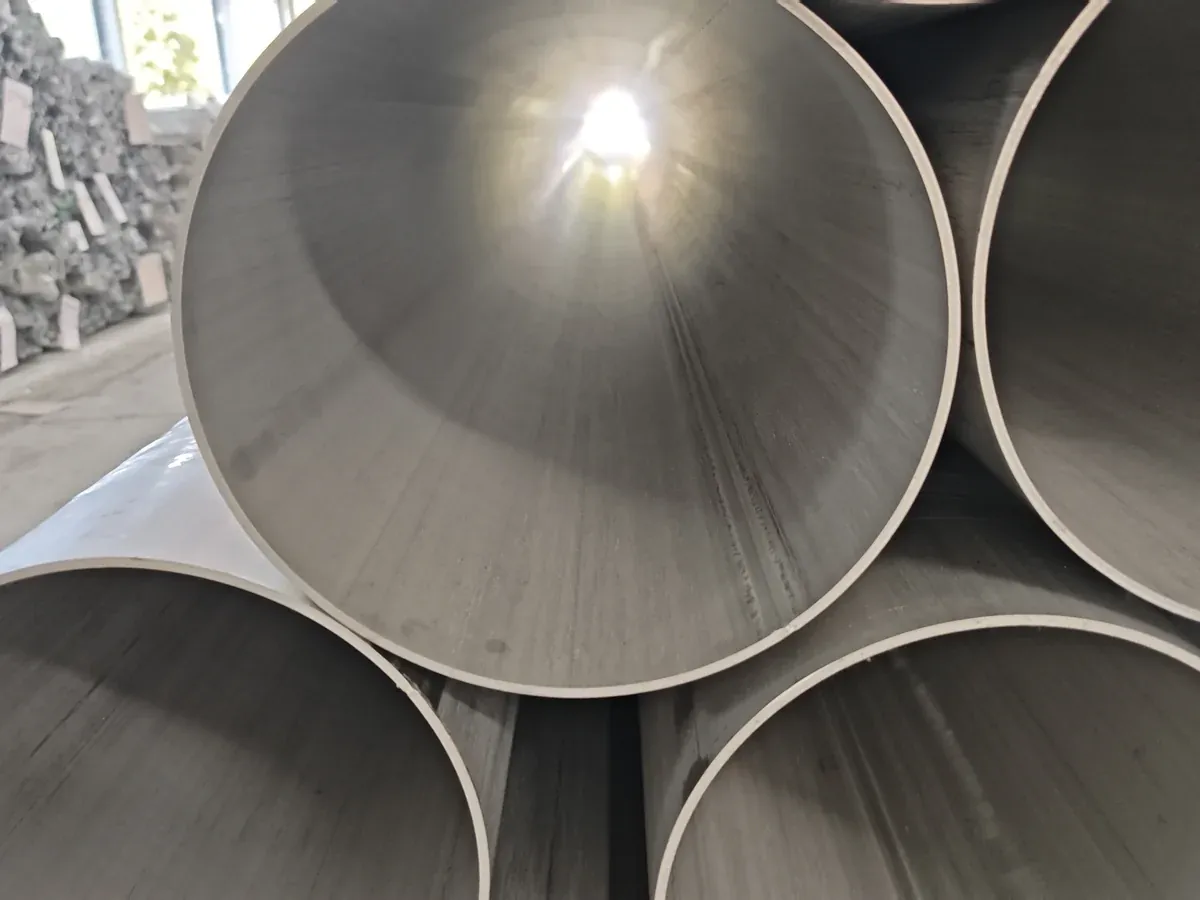
We supply 316 and 316L in welded or seamless form, with passivation, polishing, pressure testing and material certificates available by order. Final dimensions, finish and inspection scope are confirmed against your RFQ so the pipe matches the service conditions of your project.
Material summary
The essentials buyers weigh when specifying 316 industrial pipe.
Pipe specifications
Reference ranges — final spec is confirmed from your RFQ.
Where the molybdenum earns its place.
The practical reasons procurement teams move up from 304 to 316.
Chloride and pitting resistance
Molybdenum-bearing chemistry gives 316 better resistance to pitting and crevice corrosion than 304, which matters wherever chlorides, salts or aggressive media are present.
Coastal and marine ready
From salt spray atmospheres to marine engineering and seawater-adjacent service, 316 holds up where standard grades would start to corrode.
Chemical and pharma duty
Suited to chemical processing, pharmaceutical equipment, water treatment and higher-grade food pipelines, with passivation and polishing available for cleanliness-critical lines.
Confirm these before you order
- 316 or 316L
- Welded or seamless pipe
- Passivated or polished finish
Related products & reading
316 FAQ
When is 316 worth it over 304?
When the line sees chlorides, salt spray, marine or chemical exposure — the molybdenum in 316 gives better resistance to pitting and crevice corrosion than 304.
316 or 316L — which should I order?
316L is the low-carbon variant for welding-heavy or more corrosion-sensitive work. Confirm 316 vs 316L, passivation and any NDT or pressure-test requirement in your RFQ.
What finishes are available for 316?
BA, 2B, brushed, polished, pickled & passivated and mirror. Chemical, pharmaceutical and coastal work often specifies passivation or fine polishing.
Request a quote: 316 Industrial Pipe
Tell us your grade, service conditions and inspection scope and our team will quote accurate 316 or 316L pipe.
- Manufacturer-direct from Foshan since 2006
- GB · ASTM/ASME · JIS · DIN or your drawings
- Export-ready packing & inspection support